

Simulation games







Overview of Simulation Games
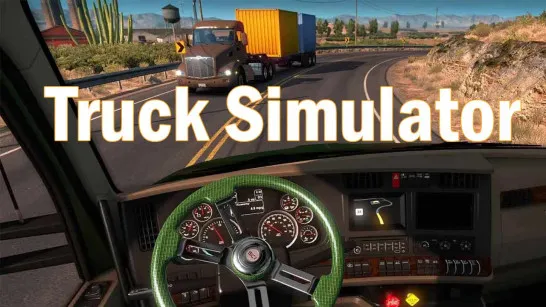
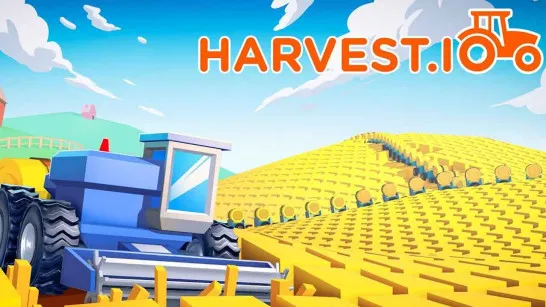
Simulation Games are management games that recreate activities, systems, or situations and turn them into interactive gameplay. Some keep things light and casual, letting you try everyday activities such as farming or cooking, while a life sim may focus more on characters, routines, homes, and personal progression. Other simulations recreate specific activities more directly, including vehicle sim games built around driving or operating different machines, often with realistic physics that affect how vehicles handle and respond.
There is also a strong management side to the genre. Running a business, growing a tycoon empire, managing a factory, or developing a city-building project usually means balancing upgrades, resources, and an in-game economy. The fun comes from watching a small operation gradually become faster, larger, and more efficient because of the decisions you make.
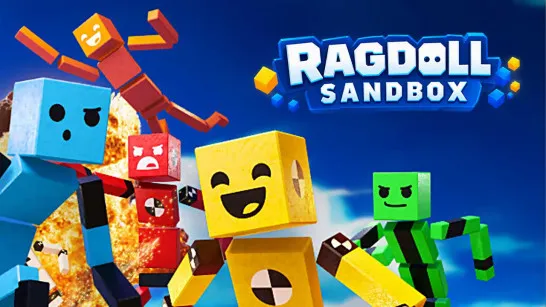
Not every simulation is about managing numbers, though. More creative games can overlap with sandbox gameplay, giving you freedom to experiment with building, design, decor, customization, and even physics-based interactions. That variety makes simulation games a good fit for players who enjoy managing systems, creating things, or simply seeing how a virtual world responds to their choices.
Core Characteristics of Simulation Games
- Systems drive the gameplay. Money, resources, customers, upgrades, environments, or other interconnected mechanics respond to player decisions.
- Progress is often gradual. Rather than winning in a few minutes, simulation games can be built around improving a business, character, or environment step by step.
- Different simulations emphasize different levels of realism. Some recreate recognizable activities closely, while others borrow the basic idea and turn it into a colorful, casual game.
Types of Simulation Games
- Management Simulation Games: Running something efficiently becomes the main challenge. Panda Restaurant puts restaurant management at the center, combining everyday business tasks with gradual development.
- Business and Upgrade Simulations: Earning and reinvesting creates a repeating progression loop. Better upgrades can make tasks faster or more productive, giving players a clear sense that their operation is growing.
- Life and World Simulation Games: These games create virtual spaces where interaction and exploration matter as much as reaching a traditional finish line. They often overlap with sandbox gameplay by giving players more freedom over what to do next.
- Creative Simulation Games: Some simulations are less about reproducing reality and more about letting players experiment with systems, characters, or environments. This creates natural overlap with sandbox, building, and customization games.