

Puzzle games




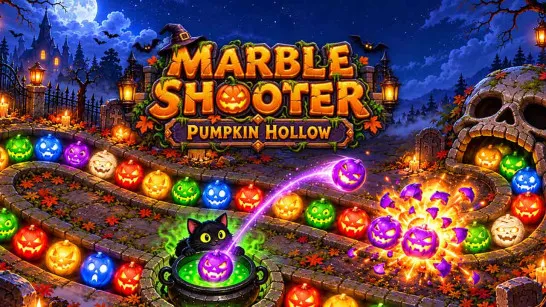
Overview of Puzzle Games
Puzzle Games are casual games that turn problem-solving into the main challenge, whether you are working through a maze, organizing objects in a sorting puzzle, clearing a match 3 board, or lining up shots in a bubble shooter. Other games lean into logic, math, or quiz challenges, while some add educational elements that let you learn as you play. The mechanics can be very different, but they often test a mix of skill, precision, timing, pattern recognition, organization, and logical thinking.
Puzzle games are a great fit if you like figuring things out at your own pace rather than rushing straight into action. Many have a casual pick-up-and-play feel, but a simple idea can quickly turn into a tricky brain teaser once the levels introduce tighter rules, fewer moves, or more complicated patterns.
Core Characteristics of Puzzle Games
- Every puzzle presents a problem and a set of rules. The challenge comes from understanding those rules and finding an effective solution rather than relying purely on reaction speed.
- Information matters. Shapes, words, positions, colors, available moves, and object relationships can all provide clues. Strong puzzle design encourages players to observe first and act with purpose.
- Difficulty often comes from constraints. Limited space, blocked pieces, increasingly complicated layouts, or a restricted set of moves can turn a simple mechanic into a much deeper challenge.
Brain-Teasing Gameplay Types of Puzzle Games
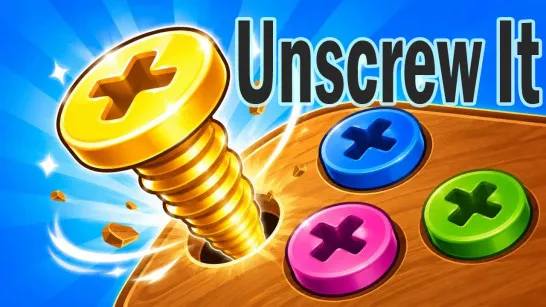
- Logic and Spatial Puzzles: These games ask you to understand how different pieces or objects interact within a limited space. Bolts - Unscrew It turns object order and positioning into the central problem, making careful planning more useful than random clicking.
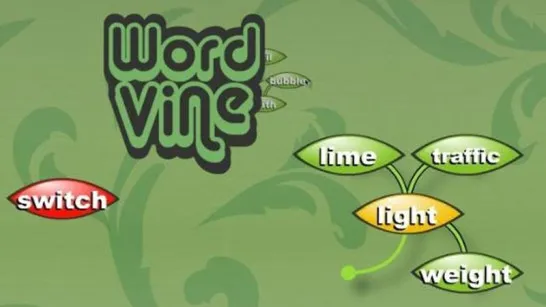
- Word Puzzle Games: Letters and vocabulary become the puzzle pieces. In Wordvine, progress depends on recognizing words and making the right linguistic connections, combining vocabulary knowledge with deduction.
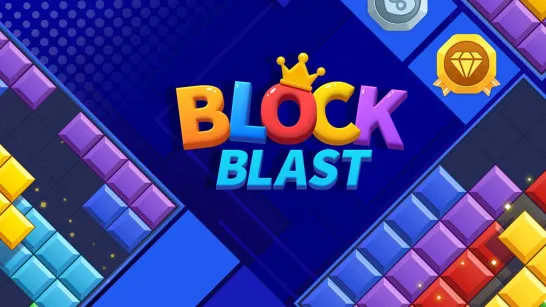
- Match 3 and Matching Puzzle Games: Matching puzzles give you an easy rule to understand: find similar pieces and bring them together. Match 3 games usually ask you to connect three or more matching items, while other variations may use pairs, groups, or bubble shooter mechanics. The real challenge comes from setting up combos and making each move count as the board gets busier.
- Sorting and Organization Puzzle Games: Sometimes the mess is the puzzle. Sorting games challenge you to organize colors, objects, shapes, or other items according to a specific rule. Early stages can feel almost relaxing, but limited space and increasingly complicated arrangements soon make organization, logic, and planning much more important.
- Math and Number Puzzle Games: Numbers can be puzzle pieces too. Math puzzle games may involve calculations, numerical patterns, sequences, merging values, or finding the right relationship between numbers. Some are educational and straightforward, while others hide the math inside clever logic challenges that take a little experimentation to crack.
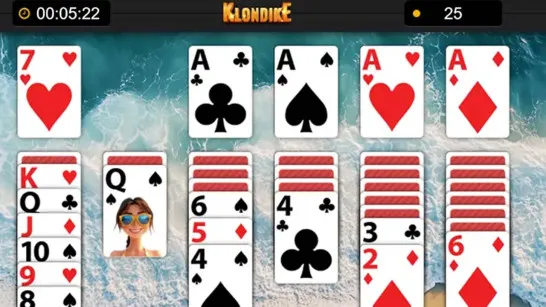
- Card and Solitaire Puzzle Games: Card puzzles reward patience and thinking ahead rather than fast reactions. You need to organize cards, build sequences, uncover useful moves, and avoid blocking yourself later. Solitaire Summer: Klondike brings that classic style of planning into a familiar solitaire format.
- Combination and Discovery Puzzle Games: Not every puzzle has one obvious answer waiting at the end. Combination games encourage you to experiment with different elements and see what your choices create. Infinite Craft takes this idea in an open-ended direction, where combining discoveries leads to even more possibilities and much of the fun comes from wondering, “What happens if I mix these two?”
Why Puzzle Games Are So Satisfying
The best moment in a puzzle game is often the instant a confusing problem suddenly makes sense. That small mental payoff makes solving increasingly difficult challenges surprisingly addictive. Since many puzzles are easy to understand but leave room for experimentation and better solutions, they also work well for both quick sessions and longer problem-solving runs.